
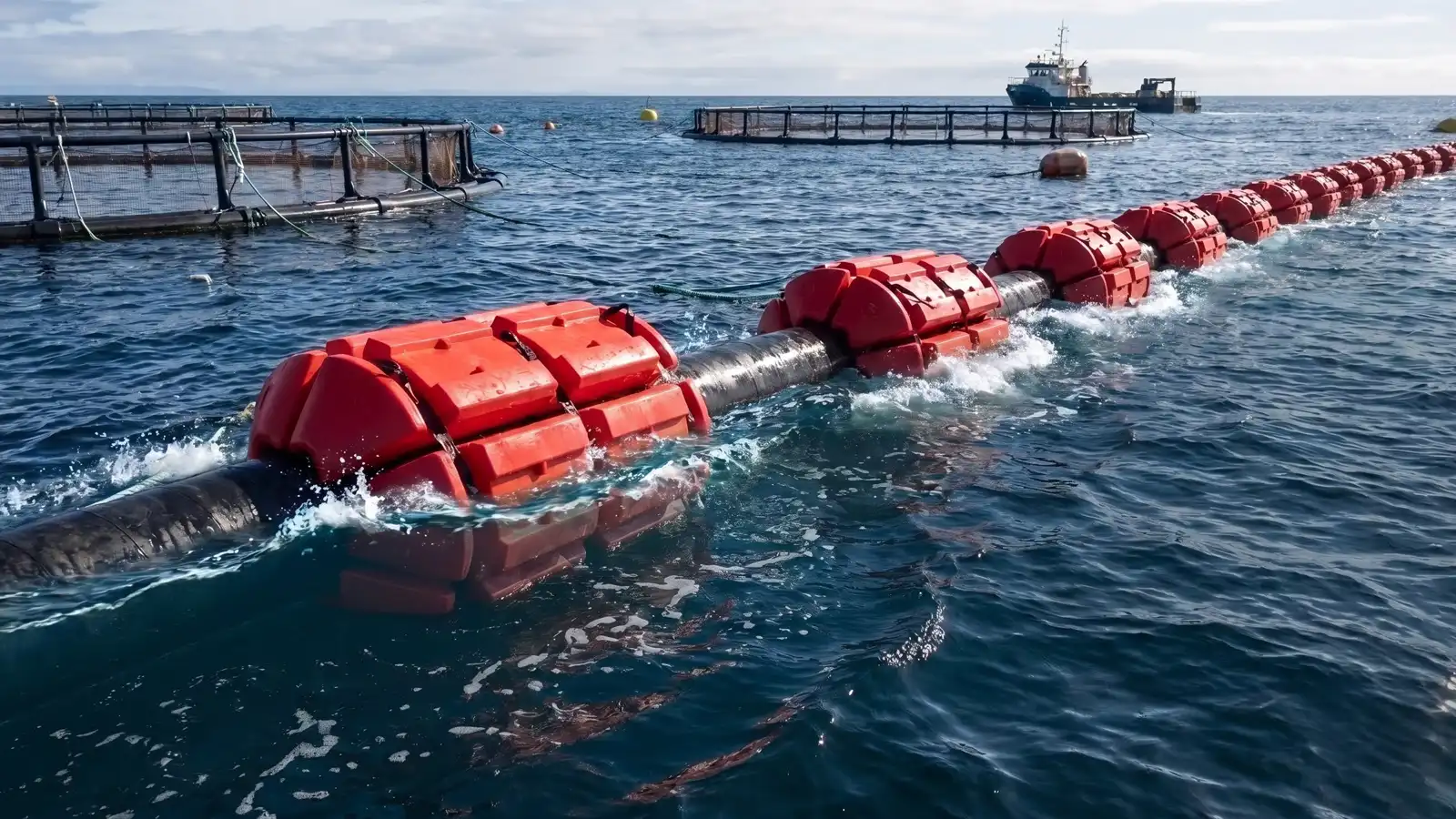
Line floats are buoyant HDPE floats that clamp onto rope, mooring lines, guide lines and buoy lines to keep them on the water’s surface — visible, off the seabed, and out of the way of vessels and gear. They mark a floating line so it can be seen and avoided, hold guide and mooring lines at the surface, and stop rope from sinking, drifting or chafing on the bottom. Choosing the right line float comes down to the diameter of the line, the buoyancy you need, the water conditions, and how visible the line has to be.
This guide explains what line floats are, how they work, how they differ from cable floats and pipe floats, and how to pick and space them so your floating lines stay on the surface and easy to see.
The Problem: Lines That Sink, Drift and Disappear
A rope, mooring line or guide line left to its own weight does not stay where you need it. It sinks below the surface, drifts with the current, and drags along the bottom where it chafes and wears. Worst of all, a submerged line is invisible — a boat under way cannot see it, which is how props foul, gear is lost and lines are cut.
On a working site the consequences add up: fouled propellers and entangled equipment, damaged or severed lines, lost mooring and marker gear, and the safety hazard of an unmarked line in a channel or work area. In aquaculture and marine construction, a pen line or guide line that sinks or goes unseen is both a production problem and a hazard. Line floats solve all of it at once — they add surface buoyancy so the line rides on top, and their bright color makes the floating line obvious from a distance.
How Line Floats Work
A line float works by displacement. The sealed HDPE body holds back a volume of water, and the weight of that displaced water is the lift it provides — enough to carry the line, and any light load on it, at the surface. Clamped along a rope or mooring line at regular spacing, the floats hold the whole run on top of the water instead of letting it sag and sink between fixed points.
Clamp-On HDPE Design
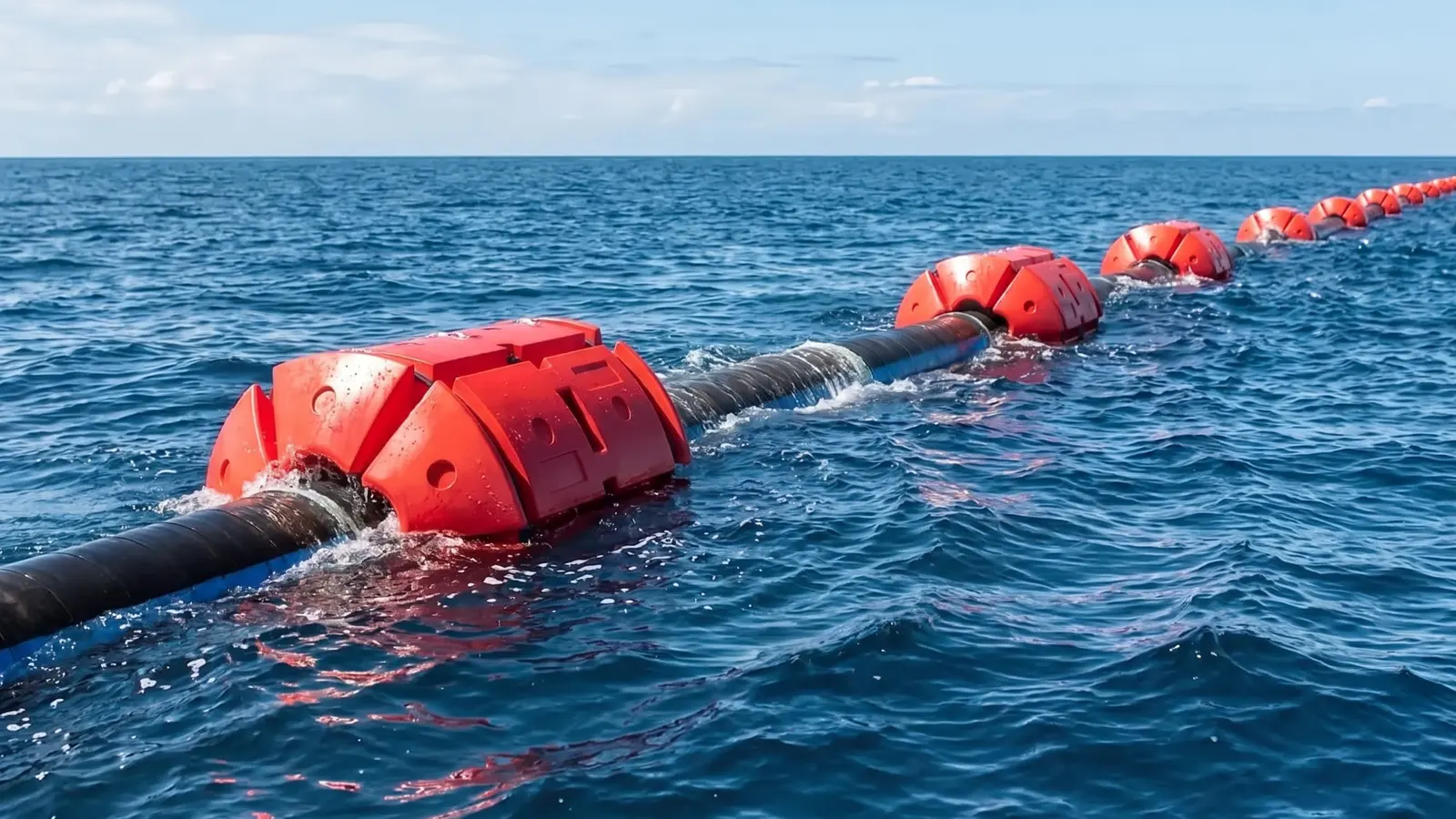
A modular line float wraps around the line in two halves and locks closed with a stainless steel ratchet strap. Nothing is threaded through the line and no splice is needed, so you add or remove floats anywhere along the run and reposition them as the job changes. The same clamp-on approach works on rope, mooring line, buoy line and light guide line.
Buoyancy and Spacing
Two things set the design: the buoyancy each float provides and the weight of the line per foot. Divide the line’s weight across floats to get how many you need, then space them closely enough that the line does not dip below the surface between floats. Adding floats beyond the minimum lifts the line higher and gives you margin against current, wake and any gear hung on the line.
High-Visibility Color
Because a big part of a line float’s job is being seen, bright color matters as much as buoyancy. A high-visibility float turns an otherwise invisible line into a clearly marked one, which is what keeps vessels clear during towing, anchoring and mooring and reduces the risk of entanglement.
How to Choose the Right Line Floats
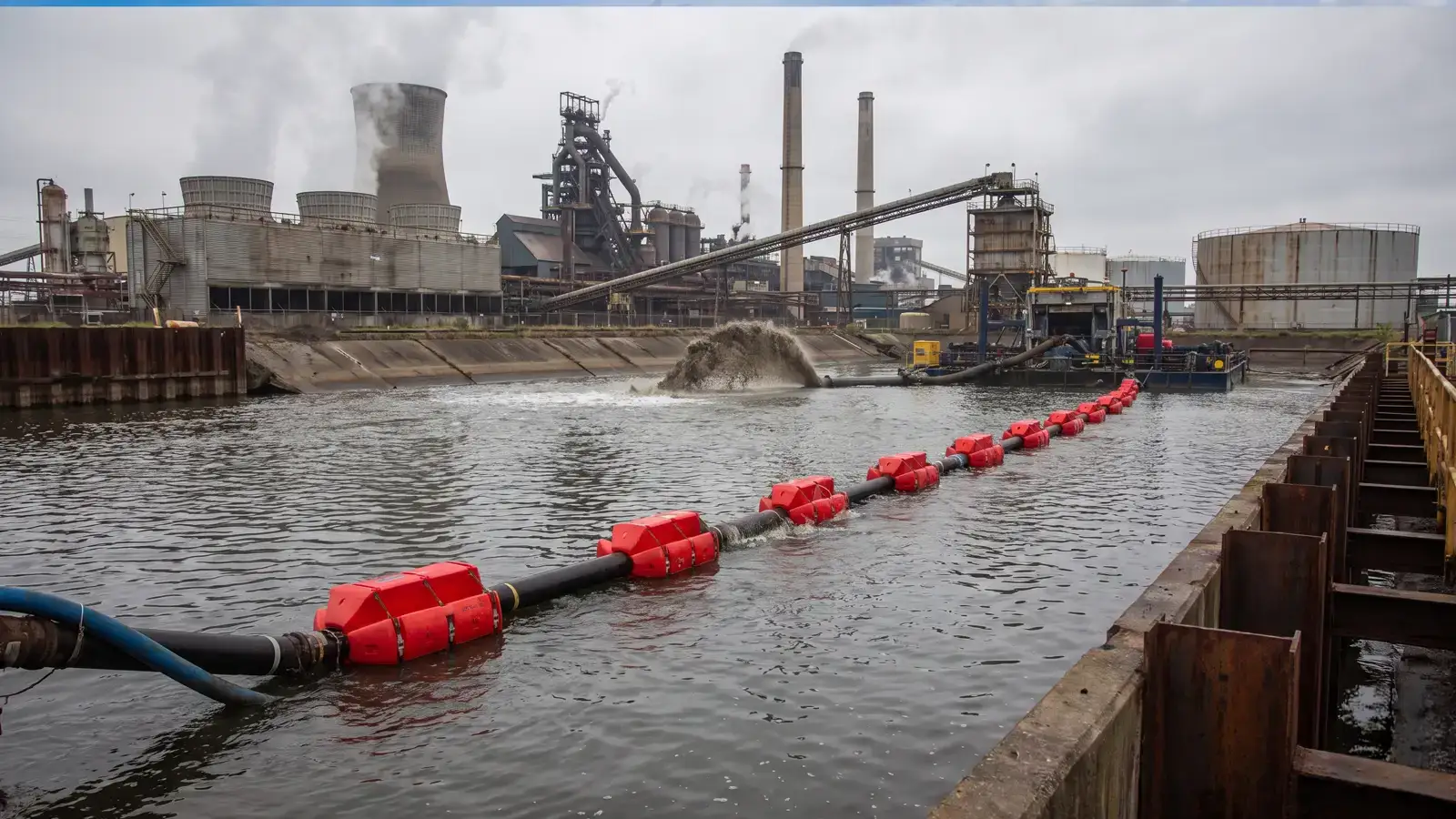
Before ordering, match the float to the line and the conditions. These are the factors that decide size, quantity and spacing:
- Line or rope diameter — the float has to clamp securely around the actual diameter of the rope or mooring line.
- Buoyancy needed — the weight of the line per foot, plus any light load hung on it, sets the line float buoyancy and how many floats you need.
- Spacing along the line — close enough that the line rides on the surface without dipping between floats.
- Water conditions — current, wake, tide and fresh versus salt water. Rougher water calls for tighter spacing and a secure, anti-slip clamp.
- Visibility — how important it is that the line be seen. Bright, high-visibility floats are safer in channels and busy work areas.
- Durability — look for marine-grade HDPE that resists UV, saltwater, abrasion and biofouling for a long service life.
- Attachment and reuse — a clamp-on float that installs without splicing can be moved between lines and jobs, lowering total cost of ownership.
Line Floats vs Cable Floats, Pipe Floats and Marker Buoys
“Which type of float do I need” usually comes down to what you are floating. Use the table to match the float to the job — the wrong category either will not fit or is overbuilt for the line.
| Float Type | What It Supports | Best-Fit Use | Limitations |
|---|---|---|---|
| Line floats | Rope, mooring lines, guide lines, buoy lines | Marking and floating rope on the surface; keeping mooring and guide lines visible and off the bottom | Sized to line and rope, not to carry heavy pipe loads |
| Cable floats | Electrical and communication cable | Floating and protecting power or signal cable on the surface | Built around cable diameters, not general rope or pipe |
| Pipe and hose floats | HDPE or steel pipe and discharge / suction hose | Floating dredge, slurry and transfer lines that carry real weight | Overbuilt for light rope, mooring or guide lines |
| Marker buoys | A single fixed point | Marking one location — a hazard, anchor or mooring point | Mark a point, not the length of a line |
Where Line Floats Fit Best
Line floats are the right choice wherever a rope or line has to stay on the surface and be seen. Common uses are mooring line floats that hold mooring lines up and visible, buoy rope floats on marker and buoy lines, guide and tag lines in marine construction, and pen and boundary lines in aquaculture. They also mark floating lines in oil and gas and offshore work areas where vessels operate close to rigging.
When the line is something other than rope, another float fits better: use cable floats for electrical or communication cable, and pipe or hose floats for pipe and discharge or suction hose that carry weight. For marking a single fixed point rather than a length of line, a marker buoy is the right tool. Matching the float to the line keeps the setup secure and avoids paying for buoyancy you do not need.
EZ Connect Line Floats
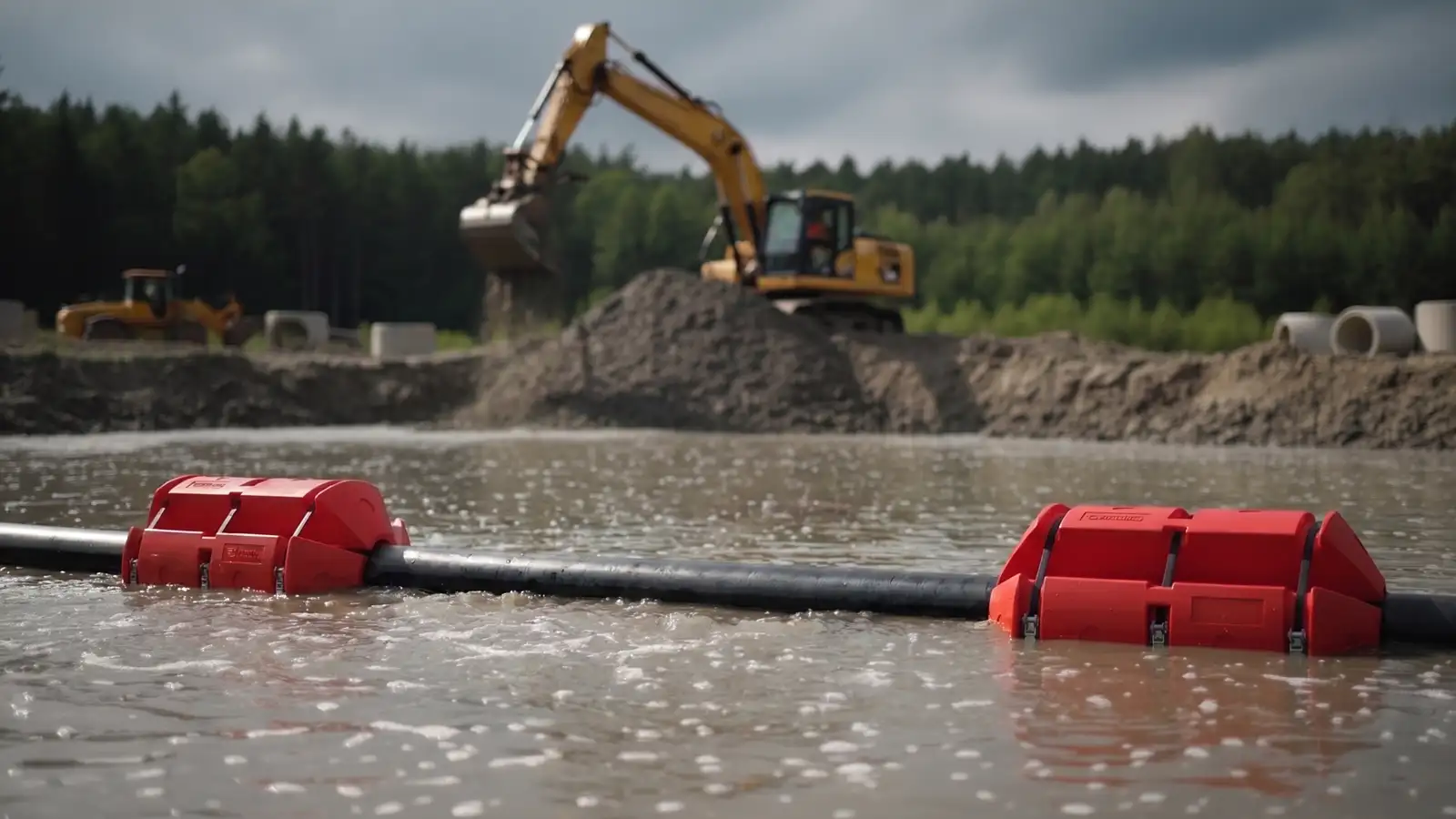
EZ Connect line floats are the clamp-on, modular HDPE type described throughout this guide, part of the same float family as our pipe, hose and cable floats. Molded in two bright-red, high-visibility halves, each float locks onto the line with a stainless steel ratchet strap — no splicing — so you add, remove and reposition floats along rope, mooring and guide lines as the job requires. The marine-grade HDPE resists UV, saltwater, abrasion and biofouling, and there is no foam fill to waterlog.
Sized to your line diameter and the buoyancy your line needs, EZ Connect line floats keep floating lines on the surface and easy to see across marine construction, oil and gas, offshore and aquaculture work. Tell us your line diameter, line length and water conditions and our team will recommend the right float and spacing — and point you to cable floats or pipe floats instead if that is what your line actually calls for.
Line Float FAQs
What are line floats?
Line floats are buoyant HDPE floats that clamp onto rope, mooring lines, guide lines and buoy lines to keep them on the water’s surface and visible. They add surface buoyancy and, with bright color, mark the line so vessels can see and avoid it.
How do line floats work?
Each float displaces water, and the weight of that displaced water is the lift it provides. Clamped at intervals along the line, the floats together hold the whole run on the surface instead of letting it sag and sink between fixed points.
Which type of line floats do I need?
It depends on what you are floating. Use line floats for rope, mooring and guide lines; cable floats for electrical or communication cable; and pipe or hose floats for pipe and discharge or suction hose. Match the float to the line’s type and diameter.
What is the difference between line floats and cable floats?
Line floats are made to float rope, mooring lines and guide lines, while cable floats are built specifically around electrical and communication cable. The buoyancy principle is the same; the difference is what the float is sized and shaped to clamp onto.
What buoyancy do line floats provide?
Buoyancy depends on the float size. You size the number of floats to the weight of the line per foot plus any load on it, then add a few more for freeboard and margin. Share your line details and a supplier can work out the buoyancy and float count.
Can line floats be used in salt water?
Yes. Marine-grade HDPE floats with a stainless steel clamp resist saltwater, UV and abrasion, which is why line floats are used in offshore, marine construction and aquaculture work.
How many line floats do I need per length of line?
Enough that the line stays on the surface without dipping between floats. The count comes from the line’s weight per foot and the buoyancy of each float; tighter spacing and a few extra floats give higher, more visible freeboard.
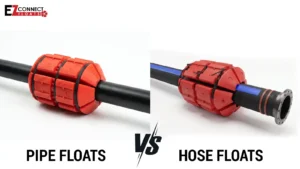
Pipe Float vs. Hose Float: What’s the Real Difference?
This guide explains how dredge pipe floats work, how to size and space them, how the main float types compare, and where clamp-on HDPE dredge pipe floats fit — so a floating dredge pipeline stays on the surface through the whole job.
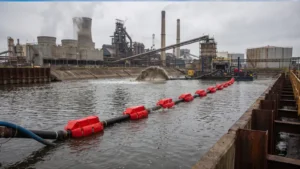
Floats for Wastewater Bypass and Temporary Pumping Systems
This guide explains how dredge pipe floats work, how to size and space them, how the main float types compare, and where clamp-on HDPE dredge pipe floats fit — so a floating dredge pipeline stays on the surface through the whole job.
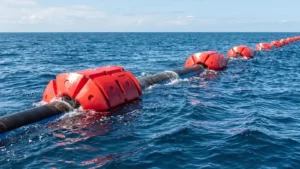
Floats for Marine Construction: Complete Buyer’s Guide
This guide explains how dredge pipe floats work, how to size and space them, how the main float types compare, and where clamp-on HDPE dredge pipe floats fit — so a floating dredge pipeline stays on the surface through the whole job.